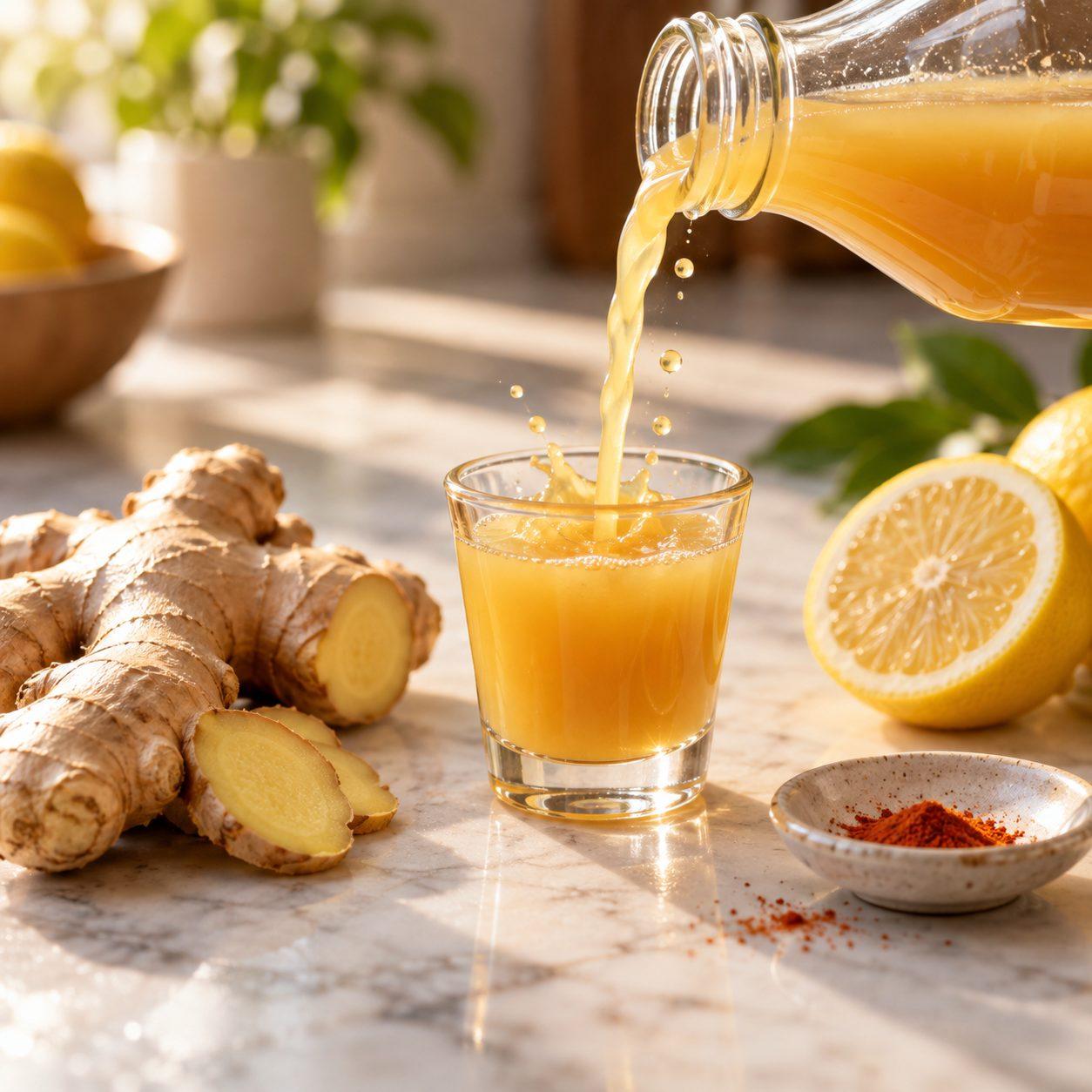
Lemon juice and lemon zest do different jobs
Lemon juice adds liquid and tartness. Zest adds the aroma of the outer peel. They are useful in different ways, so replacing one with the other can change a…
Read the noteTHE HILLING BLOG
Ginger, citrus, and useful things to know. Small recipes. Clear answers. About a minute each.
100 notes · Page 3 of 9
Lemon juice adds liquid and tartness. Zest adds the aroma of the outer peel. They are useful in different ways, so replacing one with the other can change a…
Read the noteWhole fruit and fruit juice behave differently in a glass. Blended fruit contributes texture that a strained juice may not, so swapping them changes both…
Read the noteRead the full ingredient list on a citrus blend instead of relying on the fruit pictured on the front. A large orange illustration does not tell you what…
Read the noteLime can replace lemon in many small home drink experiments, but it changes the citrus character. Treat it as a variation rather than expecting an identical…
Read the noteMint gives a ginger drink a fresh aroma before you even take a sip. You usually do not need a large handful to notice it.
Read the noteUse honey when you want its flavor, not because a ginger recipe automatically needs it. First taste the mixture without extra sweetener, especially if it…
Read the noteFor a small home experiment, start with four tablespoons of orange juice, one teaspoon of lemon juice, and half a teaspoon of finely grated ginger. Stir,…
Read the noteYou do not need a juicer to make a small ginger drink. A grater and a fine strainer can handle a single-glass experiment with much less equipment to clean.
Read the noteStrain into a bowl with room around the sieve, not directly into a narrow bottle. The wider target catches drips and lets you see how much liquid you have…
Read the noteA useful recipe note records amounts, method, and one thing you would change. It does not need a photograph, a spreadsheet, or a long tasting essay.
Read the noteScale a drink by multiplying its measured ingredients, then check the flavor before serving. A recipe that says “a splash” is difficult to multiply reliably.
Read the noteTurn “a splash” into a measured amount once, then decide whether it suits your glass. A teaspoon or tablespoon is easier to repeat than a free pour from a…
Read the notePublished by hilling with AI drafting assistance. Recipe notes are home starting points, not tested production formulas. Sources are linked where relevant. How to use these notes · RSS